
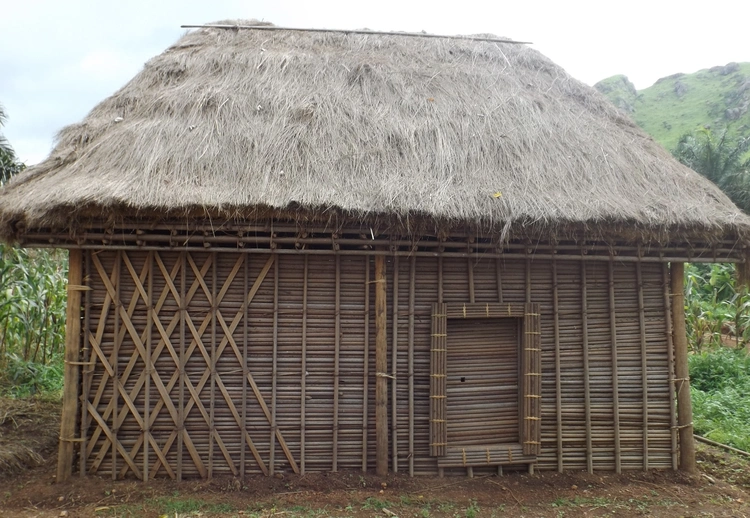
THE HISTORY OF BALIS
The Balis are part of the Chamba found in Cameroon and Nigeria.The Chamba and other non Muslim Sudanese groups migrated from the Islamic Kanem borno empire and settled around Lake Chad at the beginning of 10th Century AD. They subsequently moved south in the 15th century for reasons similar to all migrations at the time and settled in the Benue along the banks of River Faro and River Dewo. At around the beginning of the 18th Century famine and other factors pushed the Chamba to move westwards into Junkun country (still in the Benue) under the leadership of Loya Garbosa where they subdued the declining Kororofa Kingdom. From here they moved Southwards to Kontcha, concluding an alliance with the Buti. Continuing eastwards into Ngaoundere, the Chamba absorbed the Kufad –a clan of Mbum. However, in the face of the Fulani jihad of Usman Dan Fodio which began in 1815, some Chamba clans resisted the ambitious expansion of the Islamic empire, and under the leadership of Gawolbe (C1790-1836) the group moved south westwards in 1825 through Banyo where the Chamba incorporated large numbers of the Peli, Mboum and Buti and the Tikars commonly known in Bali Nyonga as Tikali. They settled for a while near Bamun and attempted to exploit a longstanding conflict between the Bati and Bamun to attack Bamun and incorporate it to the Chamba. They failed to subjugate the Bamun, but amalgamated some of the Bati and moved further south into Bagam which they conquered.
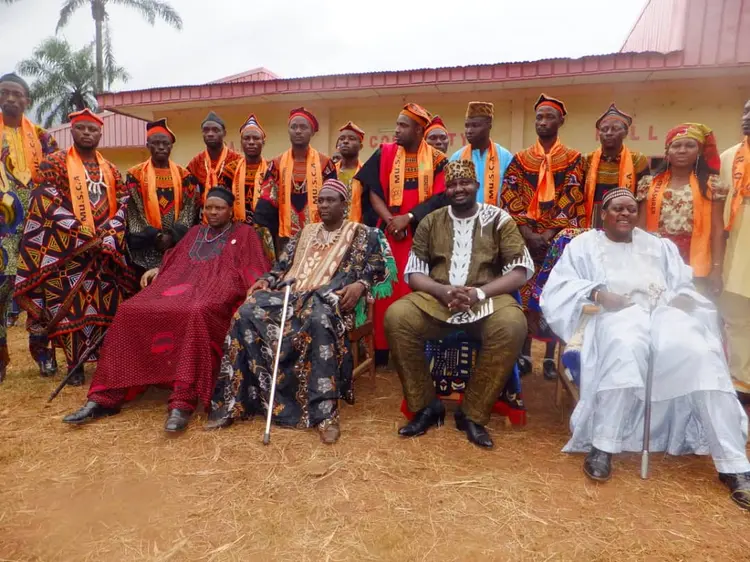
Some historians refer to the Bati elements incorporated here as ‘Ti Galwolbe’. Moving from there, the Bali Chamba headed through Bamenjinda and Babaju and into Bamenda and as they moved, they fought with the people of Bafreng, Mankon, Bafut Bapinyin, Meta and Moghamo. There in Dschang were met with fierce resistance from the inhabitants of Dschang. This led to the death of Gawolbe in the battle of Bafu-Fundong near Djuitisa.The Chamba then moved north-westwards and camped near Bagam in order to re-organise and select a new leader. Most grass field traditions still point to the Bali Chamba as warriors, and it is obvious why. The Chamba were horse men and the attractive vegetation in these southern areas was irresistible to the horses of the Chamba prompting the group’s movement. The Bali Chamba are thus credited with having introduced the horse to the southern part of the country. Their horses facilitated movement even though tradition holds that the constant movement of the Chamba was as a result of their search for land fertile enough to avoid the occurrence of famine.

THE CHAMBA SPLIT
The successor of Gawolbe was Gangsin but he proved unpopular and too weak to wield the Chamba together and establish a strong and united kingdom. Consequently, there emerged many postulants to the throne.
The tensions between the rivals provoked a split between the Chamba elements. This split was to lead to the formation of seven distinct principalities.
-
Bali Kumbat (Nepkolbi). Led by Galega, this was the largest and probably the most influential group among the Chamba, they moved North-westwards waging wars against Bambili, Bambui and the Tikars of Ndop plain, finally defeating the Bamumkumbit and settling on their hilltop position. It is claimed that their leader Galega was an influential retainer who carried many palace secrets with him.
-
Bali- Gangsin (Donep). This group equally moved North-westwards and settled south-east of Bali Kumbat.
-
Bali-Gashu (Gasonep) Led by Ga-Nyam, the group first moved to the site of present day Bali-Gham before moving further northwards and settling to the east of Bali-Kumbat.
-
Bali-Gham (Nepgavilbi).Led by Ga-Sanga, the group moved to Bagham Nindeng where they acquired their locational name before settling in their present site near Santa.
-
Bali Muti.This group travelled via Wum and settled in Takun which is located in present day Tabara State in Nigeria. It is one of 15 local government areas in Tabara state.
-
Bali Nkohntan.This group settled in Kuform in the present Bali-Nyonga subdivision. They were subsequently assimilated by their Bali Nyonga cousins. This explains why unlike other Balis, Bali Nyonga today flies two flags (tutuwan)
-
Bali Nyonga. Led by Nyongpasi, son of Princess Na’nyonga, this group first moved to Tsen (Kuti or Kupare) located on the southern part of the Bamun region. Here, they renewed relations with the Bati seen as recalcitrant subjects of the Bamun.
Some theories hold that an attempted alliance with the Bati against the Bamun failed and prompted them to move from the area. Together with the recalcitrant Bati elements, in C1848 they moved towards Bamenda waging a series of wars against eastern Bamileke groups such as the Bangante, the Bansoa and Bamunju. In Bamenda, they made a blood treaty with the Fon of Bafreng and stayed there for seven years before pursuing their Nkohtan breathren to Kuform. Defeating the latter, Bali Nyonga incorporated this group as well as its Baku, Mudum and Kenyang subjects in 1855 and settled in the area. Nyongpoasi later became Fonyonga I the first ruler of Bali Nyonga.
